
Healthy Eating Tips for Weight Loss
Master the fundamental principles of nutrition that help you lose weight while maintaining energy and vitality. Discover evidence-based strategies from Purefoodnutrition's editorial experts.
The information on this site is for educational purposes only and does not constitute medical advice. Always consult a qualified healthcare professional before making health decisions.
Why Nutrition Matters for Weight Loss
Nutrient Density
Choosing foods rich in vitamins, minerals, and fiber ensures your body gets the fuel it needs while keeping calories in check. Whole foods provide sustained energy without excess empty calories.
Metabolic Balance
Balanced meals with protein, healthy fats, and carbohydrates support stable blood sugar levels and reduce cravings. This approach helps maintain consistent metabolism throughout the day.
Sustainable Habits
Building eating patterns around whole foods creates lasting lifestyle changes. Unlike restrictive diets, sustainable nutrition supports long-term weight management and overall wellness.
Energy & Performance
Proper nutrition fuels your body for physical activity and mental clarity. When you eat well, you have more energy for exercise and daily tasks, creating a positive cycle of wellness.
Essential Healthy Eating Principles
These six foundational strategies form the basis of successful, sustainable weight loss through proper nutrition.
Prioritize Whole Foods
Focus on foods that are minimally processed: fresh vegetables, fruits, whole grains, lean proteins, and legumes. These foods contain fiber, which keeps you full longer and supports healthy digestion. Whole foods naturally contain fewer calories per serving than processed alternatives while delivering maximum nutritional value.
Balance Your Macronutrients
Include protein, carbohydrates, and healthy fats in each meal. Protein supports muscle maintenance and keeps you satisfied, carbohydrates provide energy, and healthy fats support hormone function. A balanced approach prevents nutrient deficiencies and reduces the urge to overeat.
Control Portion Sizes
Eating the right amount matters as much as eating the right foods. Use smaller plates, measure portions initially to learn appropriate sizes, and pay attention to hunger and fullness cues. Portion awareness helps you enjoy the foods you love while maintaining a healthy caloric intake.
Stay Hydrated
Water supports every metabolic process and often reduces appetite. Drinking adequate water throughout the day can prevent confusion between thirst and hunger. Many people find that increasing water intake naturally reduces unnecessary snacking and supports healthy weight management.
Eat Regular, Structured Meals
Skipping meals often leads to overeating later. Eating at consistent times helps regulate appetite hormones and maintains stable energy. A regular eating schedule makes it easier to make thoughtful food choices rather than grabbing whatever is convenient when hunger strikes.
Practice Mindful Eating
Slow down, eliminate distractions, and truly taste your food. Mindful eating helps you recognize satisfaction signals and enjoy meals more fully. This practice reduces overeating driven by habit or emotion and creates a healthier relationship with food overall.
Your 5-Step Weight Loss Journey
Assess Your Current Habits
Start by tracking what you eat for 3-5 days without changing anything. This awareness reveals patterns, triggers, and areas where small changes can make the biggest impact.
Set Realistic Goals
Aim for gradual, steady progress—typically 0.5 to 1 kg per week. Sustainable weight loss through nutrition keeps your metabolism healthy and increases the likelihood you'll maintain results long-term.
Make Incremental Changes
Introduce one or two healthy eating changes per week rather than overhauling your diet overnight. Replace one sugary drink with water, add an extra vegetable serving, or swap refined grains for whole grains gradually.
Plan Ahead & Prepare
Meal planning and prep reduce impulsive food choices. Knowing what you'll eat for the week makes it easier to purchase whole foods and avoid convenience items high in calories and low in nutrition.
Monitor Progress & Adjust
Check in weekly, noting not just weight but how you feel, energy levels, and how your clothes fit. Be flexible—what works one month may need adjustment. Success comes from listening to your body and adapting strategies as needed.
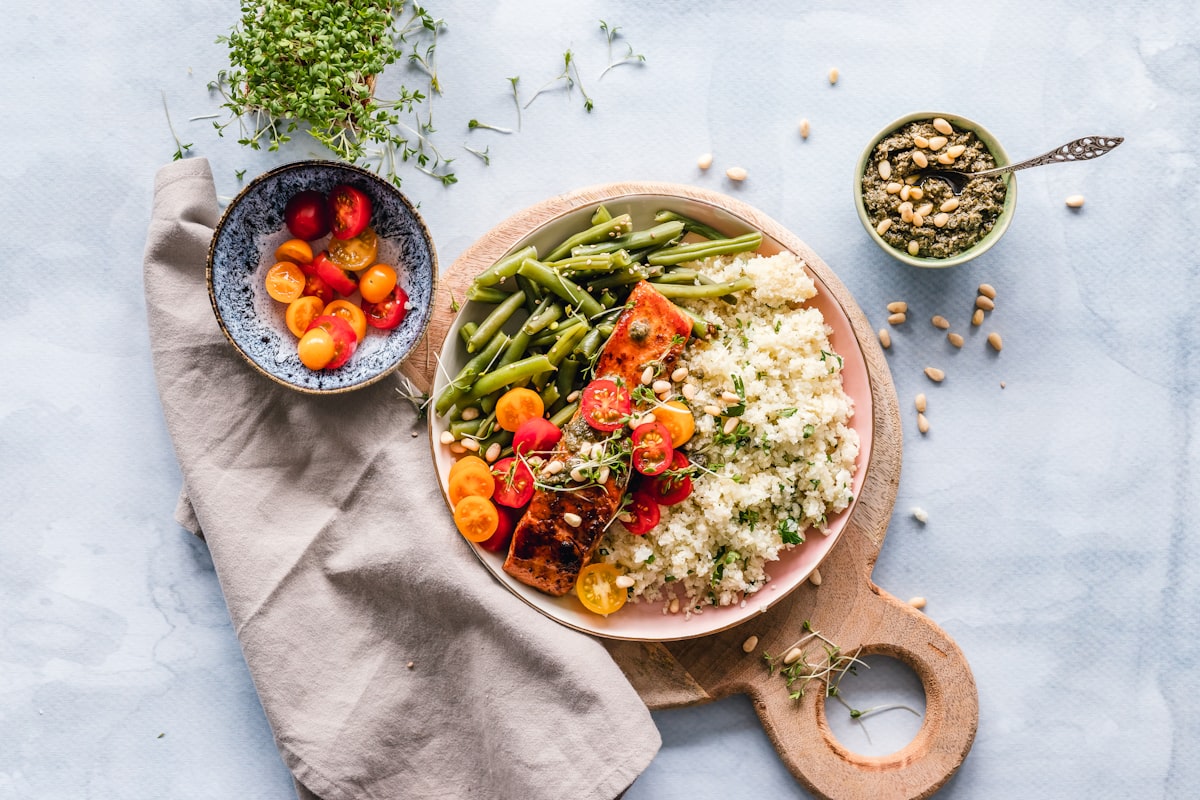
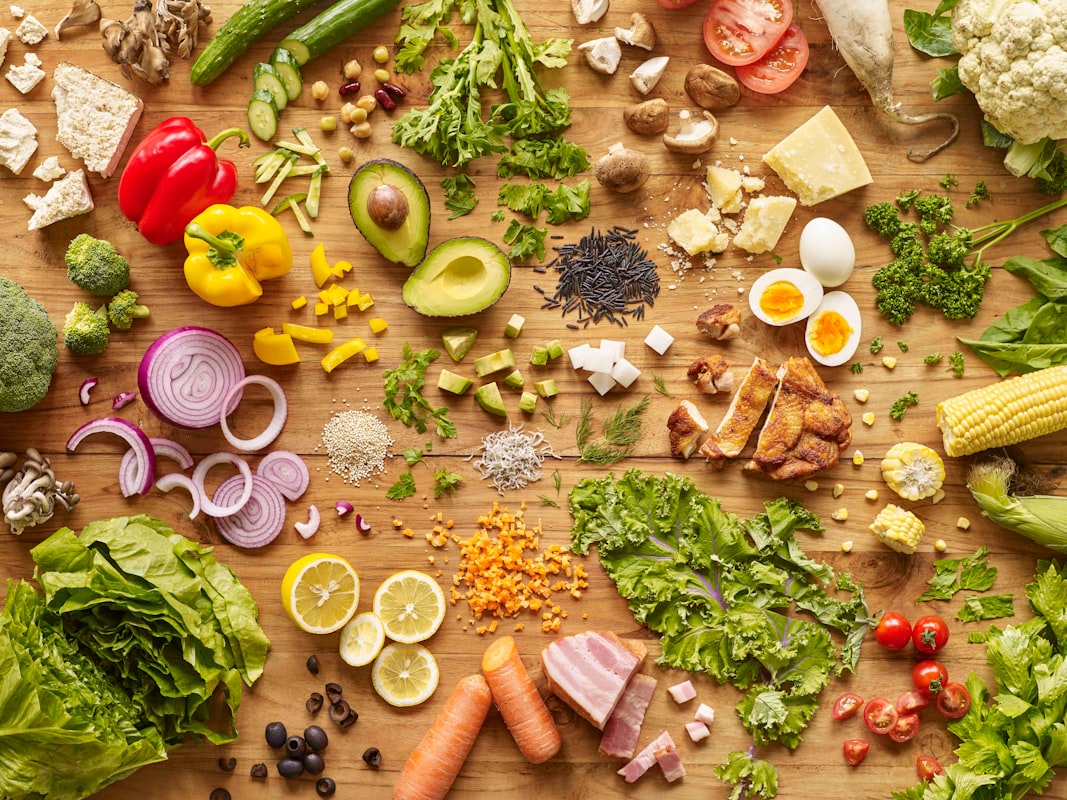
Food Categories That Support Weight Loss
Understanding which foods naturally align with weight loss goals helps you make confident daily choices.

Vegetables & Greens
Vegetables are calorie-light but nutrient-dense, packed with fiber, vitamins, and minerals. They fill your plate and stomach without excess calories. Leafy greens, cruciferous vegetables, and colorful options each offer unique nutritional benefits that support overall health while promoting weight loss.
Best choices: Spinach, broccoli, bell peppers, zucchini, carrots, Brussels sprouts
Lean Proteins
Protein is essential for muscle maintenance and creates greater satiety than carbohydrates or fats, meaning you feel full longer. Lean sources provide protein without excessive calories or unhealthy saturated fats. Including protein at each meal helps stabilize blood sugar and reduces cravings for snacks between meals.
Best choices: Chicken breast, fish, turkey, legumes, eggs, Greek yogurt
Whole Grains
Unlike refined grains, whole grains retain fiber and nutrients that slow digestion and provide steady energy. They prevent the blood sugar spikes that trigger hunger and cravings. Whole grains support healthy weight management by keeping you satisfied with smaller portions while delivering important nutrients.
Best choices: Brown rice, oats, quinoa, whole wheat bread, barley

Fresh Fruits
Fruits offer natural sweetness, fiber, and essential vitamins without added sugars. The fiber content slows nutrient absorption and keeps blood sugar stable. Whole fruits are more satisfying than juice because they require chewing and contain all the fiber. They make excellent alternatives to processed snacks.
Best choices: Berries, apples, oranges, pears, melons, kiwi

Healthy Fats & Legumes
Healthy fats support hormone function and nutrient absorption while promoting satiety. Legumes provide plant-based protein and fiber, making them exceptionally filling. Despite their caloric density, healthy fats in appropriate portions prevent overeating by keeping you satisfied and supporting proper metabolic function.
Best choices: Olive oil, nuts, seeds, avocado, beans, lentils, chickpeas

Smart Beverages & Dairy
Water remains your best choice, supporting every body function. Unsweetened beverages and low-fat dairy provide nutrients without excess calories. Limiting sugary drinks—a major source of empty calories for many people—often results in significant weight loss progress without requiring dietary restrictions elsewhere.
Best choices: Water, herbal tea, low-fat yogurt, cheese portions, unsweetened alternatives
Frequently Asked Questions About Healthy Weight Loss Eating
Weight loss timelines vary based on starting point, caloric deficit, and individual metabolism. Most people notice changes in how they feel—more energy, better digestion, improved mood—within 1-2 weeks. Visible weight loss typically becomes noticeable after 3-4 weeks of consistent healthy eating. Remember that the number on the scale doesn't capture improvements in muscle tone, clothing fit, or internal health markers. Focus on sustainable progress rather than dramatic rapid changes.
Absolutely. Restrictive diets that eliminate favorite foods rarely work long-term. The key is balance and portion control. Enjoy the foods you love in reasonable quantities as part of an overall healthy eating pattern. You might have a smaller portion of something indulgent along with plenty of vegetables and lean protein. This approach is sustainable, prevents the deprivation that leads to binge eating, and helps you develop a healthy long-term relationship with food rather than one based on restriction and guilt.
While caloric balance is the fundamental principle, formal calorie counting isn't necessary for everyone. Some people find it helpful and educational initially, while others do better focusing on food quality, portion sizes, and hunger signals. The most effective approach is the one you'll actually follow consistently. Many people find success simply by eating more whole foods, controlling portions, and paying attention to satiety. Experiment to discover what works best for your lifestyle and preferences.
Strategic snacking can support weight loss when done thoughtfully. Snacks that combine protein and fiber—like Greek yogurt with berries, nuts with fruit, or vegetables with hummus—keep you satisfied and prevent overeating at main meals. The key is choosing snacks intentionally rather than mindlessly. Plan snacks in advance, portion them into containers, and choose options aligned with your overall nutrition goals. Unplanned snacking while distracted tends to derail progress, while planned, nutritious snacks can actually support healthy weight management.
Maintenance is an extension of the habits that got you there. Since you've already developed healthy eating patterns, the transition is smoother than starting from scratch. You'll gradually increase portions or add slightly more flexibility while continuing to prioritize whole foods and listening to hunger cues. Regular check-ins—monthly weight tracking or how clothes fit—help catch small gains early before they become problematic. The eating principles that support weight loss also support weight maintenance, so you're simply adjusting quantities rather than changing approaches entirely.
Plateaus are normal and temporary. Your body adapts to consistent routines, so changes stimulate renewed progress. Consider: adding a new form of physical activity, mixing up meal compositions slightly, increasing water intake, ensuring adequate sleep, or examining whether portions have gradually increased. Sometimes a one-week eating reset—extra strict adherence to goals—can restart momentum. Remember that plateaus often coincide with positive changes like increased muscle or improved metabolic health that scale won't reflect. Stay patient and trust that thoughtful adjustments will lead to continued progress.
Real Stories: How Healthy Eating Changed Lives
Sarah M.
Lost significant weight in 4 months
"I switched to Purefoodnutrition's meal plans and finally understood what real food tastes like. No more processed junk—just wholesome ingredients that made me feel energized. The weight loss was a bonus; the energy boost changed my life."
James T.
Reversed pre-diabetes
"My doctor said I was heading toward type 2 diabetes. Purefoodnutrition helped me rebuild my relationship with food. Six months later, my blood sugar levels are normal, and I've never felt better."
Lisa K.
Improved mental clarity
"I didn't expect nutrition to affect my mood and focus so much. After following Purefoodnutrition's principles, my brain fog cleared, and I'm more productive at work than ever. It's a game-changer."
Ready to Transform Your Health?
Join thousands of people who've discovered the power of real, whole foods. Start your journey with Purefoodnutrition today—your future self will thank you.
Frequently Asked Questions
How quickly will I see results?
Results vary, but most people notice increased energy within 1-2 weeks. Weight loss and metabolic changes typically become visible within 4-6 weeks. Long-term health benefits develop over months as your body adapts to nutrient-rich foods.
Is Purefoodnutrition suitable for dietary restrictions?
Yes! Our plans accommodate vegan, vegetarian, keto, paleo, gluten-free, and allergy-friendly diets. We believe nutrition should be personalized and inclusive. Contact our team to discuss your specific needs.
Can I afford healthy eating?
Absolutely. We provide budget-friendly meal plans using affordable, whole-food ingredients. Smart shopping and meal prep reduce food waste and save money long-term. Investing in health now prevents expensive medical bills later.
Do I need to exercise to see benefits?
While nutrition alone creates significant improvements, combining whole foods with movement amplifies results. Even light activity like walking, yoga, or stretching pairs beautifully with a healthy diet.
What if I slip up on the diet?
One meal won't derail your progress. Healthy eating is a lifestyle, not perfection. We encourage balance and flexibility. If you slip, simply return to your plan without guilt. Progress matters more than perfection.
How do I get started?
Visit our website to explore meal plans, download free resources, or schedule a consultation with our nutrition experts. We're here to guide you every step of the way toward your healthiest self.